
The Hidden Burden of Medicines Management in General Practice
Medicines management is one of the most important yet least visible workloads in general practice. NovaHS supports practices across 32 ICBs through NovaMed.

General practice is under immense pressure. Nearly half of all GPs (44%) report that workload is their biggest struggle, compared with 29% of all doctors and they are twice as likely to cite workload pressure as a barrier to providing care. Yet one area of that workload remains consistently overlooked: medicines management.
While prescribing is a core function of primary care, the volume and complexity of medication-related tasks have expanded significantly over recent years. What was once largely confined to issuing prescriptions has grown into a multifaceted responsibility covering safety monitoring, medication reviews, hospital discharge reconciliation, shared care prescribing, medicines optimisation and responding to an ever-increasing volume of medication queries.
NovaHS supports GP practices across 32 Integrated Care Boards in England through NovaMed, its pharmacy technician support and medicines optimisation service. Having worked alongside clinical and administrative teams in general practice, we understand the scale of this workload and what is required to manage it safely.
What Medicines Optimisation in GP Practice Actually Involves
Modern medicines management in general practice extends far beyond writing prescriptions. Every day, practices are required to process discharge summaries, action outpatient medication changes, review blood test monitoring, manage repeat prescription requests, respond to community pharmacy queries and ensure compliance with national guidance.
The NHS primary care system dispenses over one billion prescription items every year. Behind each of those items is a clinical decision, a monitoring requirement, or an administrative action that falls to someone in the practice to complete.
The ageing population has compounded this challenge significantly. In March 2025, more than 718,000 people aged 65 and over in England were taking ten or more medicines, a figure projected to exceed 1.1 million by 2035 without effective intervention. Each additional medicine increases the need for monitoring, review and ongoing clinical oversight.
NHS England's national medicines optimisation opportunities for 2024/25 identified problematic polypharmacy as a key priority. For GP practices already stretched on capacity, meeting that priority requires dedicated resource.
The Administrative Burden on Practice Teams
Much of medicines management work is clinically important but administratively intensive.
A single hospital discharge can generate multiple actions: medication reconciliation, updating repeat prescriptions, reviewing interactions and contraindications, arranging monitoring tests, communicating changes to patients and liaising with community pharmacies. Multiply that across a list of several thousand patients and the cumulative demand becomes significant.
Similarly, routine prescribing generates a constant flow of requests that require clinical judgement. Repeat prescriptions are rarely as simple as clicking approve. Clinicians must consider monitoring requirements, recent clinical changes, potential safety concerns and whether treatment remains appropriate before each decision is made.
Pharmacy Technician Support for GP Practices
The integration of clinical pharmacists and pharmacy technicians into general practice has been one of the most significant developments in primary care over the last decade.
According to NHS Digital data, as of December 2024 there were 7,329 pharmacists and 2,531 pharmacy technicians working in primary care and general practice. These professionals bring specialist expertise in medicines optimisation and support practices by conducting structured medication reviews, managing repeat prescribing systems, reconciling medicines following hospital discharge and reducing inappropriate prescribing.
The evidence base for their impact is well established. A longitudinal cohort study published in the British Journal of General Practice in February 2025 found that practices employing clinical pharmacists recorded statistically significant reductions in total medicine costs per 1,000 patients, opioid prescriptions per 1,000 patients and average daily anxiolytic use.
Both clinical pharmacist and pharmacy technician roles are fundable through the Additional Roles Reimbursement Scheme (ARRS), meaning PCN-commissioned services can be delivered at no net cost to the practice. For 2025/26, PCNs can claim up to £66,972 per clinical pharmacist and £43,352 per pharmacy technician under ARRS.
Patient Safety at the Centre
Despite the workload pressures, medicines management remains one of the most critical patient safety functions in primary care.
More than 237 million medication errors occur every year in England, the avoidable consequences of which cost the NHS upwards of £98 million and more than 1,700 lives annually. Around a third of all potentially harmful medication errors are made during prescribing in primary care.
Robust medicines management processes help identify risks before they result in adverse outcomes. Whether preventing duplicate therapy, recognising inappropriate prescribing or ensuring timely monitoring of high-risk medicines, these activities play a vital role in protecting patients.
The challenge for practices is balancing safety with capacity. When teams are overwhelmed, clinical time risks being consumed by administrative processes rather than direct patient care. That is the problem NovaMed is designed to address.
How NovaMed Supports Medicines Management in General Practice
NovaMed provides pharmacy technician support and medicines optimisation services to GP practices, Primary Care Networks and Integrated Care Boards across England. Our team works as an extension of your practice, handling the medicines management workload that pulls clinical staff away from patient-facing care.
NovaHS is CQC regulated and clinician-led. Every process is underpinned by clinical oversight and a triage protocol built around patient safety. We currently support practices across 32 ICBs in England and have processed over 8 million documents to date, saving an estimated 80,000 NHS clinical hours per year.
If your practice is managing an unsustainable medicines management workload, we can help. Book a free consultation with our team.
Frequently Asked Questions
What does a pharmacy technician do in a GP practice?
A pharmacy technician in general practice supports the operational elements of medicines management. This includes reconciling medicines following hospital discharge, managing repeat prescribing systems, processing medication requests and supporting compliance with monitoring requirements. They work under the oversight of a clinical pharmacist or GP, freeing clinical staff to focus on direct patient care.
What is medicines optimisation in primary care?
Medicines optimisation is the clinical process of ensuring patients receive the right medicines, at the right dose, for the right duration. In general practice it involves structured medication reviews, management of polypharmacy, identification of inappropriate prescribing and systematic monitoring of high-risk medicines. NHS England has identified problematic polypharmacy as a national medicines optimisation priority for 2024/25.
How can GP practices reduce their medicines management workload?
Practices can reduce medicines management workload by utilising ARRS-funded pharmacy roles, including clinical pharmacists and pharmacy technicians, through their Primary Care Network. Alternatively, a managed medicines optimisation service such as NovaMed can take on the day-to-day workload entirely, with no net cost to the practice when commissioned through ARRS funding.
What is the difference between a clinical pharmacist and a pharmacy technician in general practice?
Clinical pharmacists are responsible for clinical decision-making in medicines management, including structured medication reviews, complex prescribing decisions and deprescribing. Pharmacy technicians manage the operational and administrative elements: reconciling discharge medicines, processing repeat prescriptions and managing medication queries. Both roles are ARRS fundable and both are available through NovaMed.
What is shared care prescribing and why does it increase GP workload?
Shared care prescribing occurs when a specialist initiates a medication and then transfers ongoing prescribing responsibility to the GP practice. This frequently happens without equivalent resource allocation, creating additional monitoring, prescribing and safety obligations for the practice. Managing shared care agreements is one of the most time-intensive elements of medicines management in general practice.
Is pharmacy technician support available at no cost to the practice?
When commissioned through a Primary Care Network, pharmacy technician and clinical pharmacist roles are reimbursable through the Additional Roles Reimbursement Scheme (ARRS). For 2025/26, the maximum reimbursable amount for a pharmacy technician is £43,352. This means practices accessing NovaMed through their PCN can do so at no net cost.
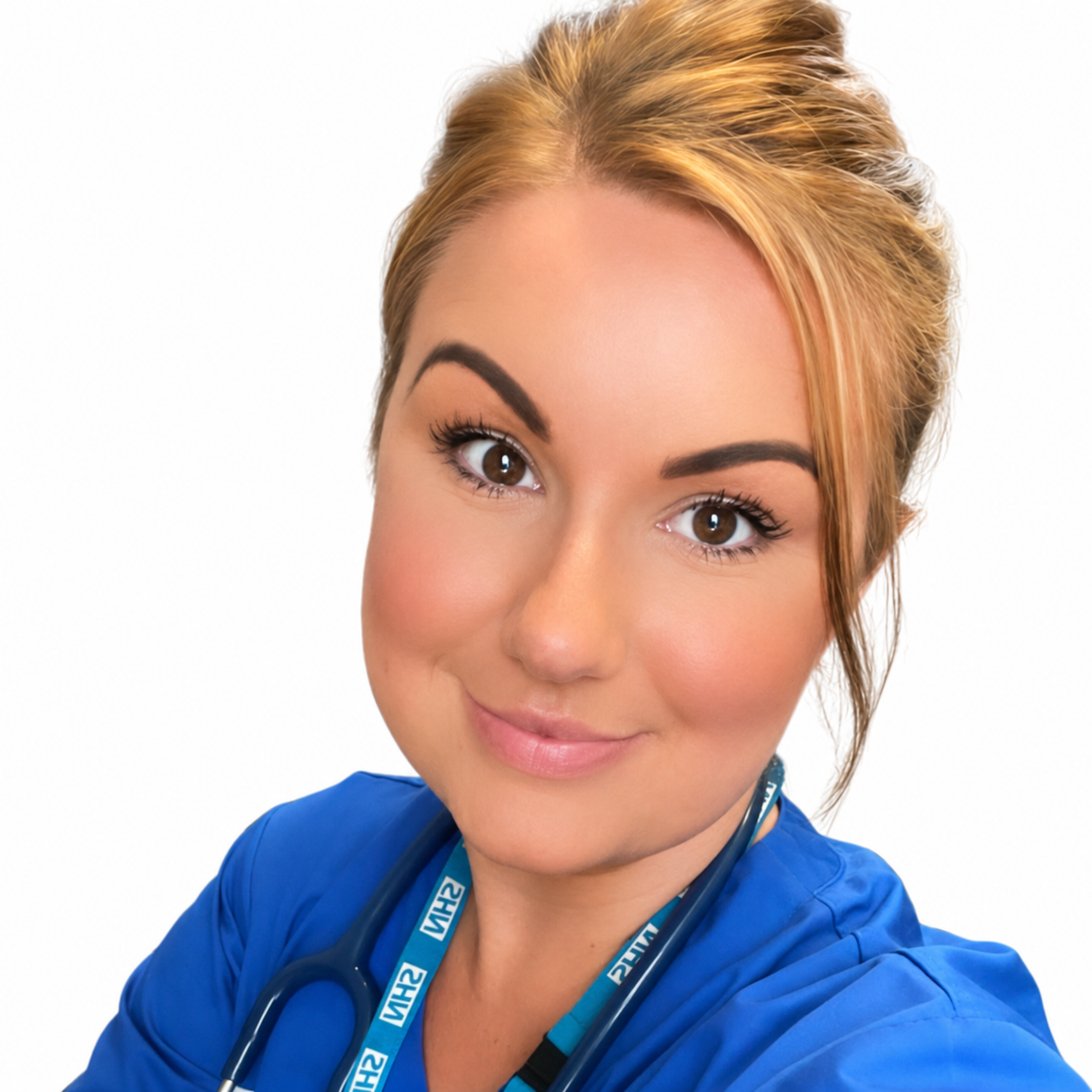
Kate Waistell, Lead Pharmacist, NovaHS. Kate has over 10 years of experience in pharmacy and medicines optimisation in primary care, supporting GP practices and Primary Care Networks across England.
From the Blog

Insights from the Primary Care Show 2024: A Nova Healthcare Solutions Perspective
The Primary Care Show 2024 brought together thousands of attendees and 200+ exhibitors. NovaHS was proud to contribute to this hub of primary care innovation.

The Importance of Clinical Coding in NHS Primary Care
Poor clinical coding affects patient safety, practice funding and NHS data accuracy. Dr Samim Azim explains why coding quality matters for GP practices.

Natural Language Processing: Why Standardised Data Matters
NLP is transforming how clinical data is used across the NHS. NovaHS explains why standardised data matters for GP practices and what it means in practice
The Hidden Burden of Medicines Management in General Practice
Medicines management is one of the most important yet least visible workloads in general practice. NovaHS supports practices across 32 ICBs through NovaMed.

The Power of Communication in NHS Primary Care
Good communication underpins everything that works well in a GP practice. Devinia Patel, Admin Manager at NovaHS, explains why it matters more than ever.
Let’s Get In Touch
All information provided is completely confidential and will not be shared with any third party.


